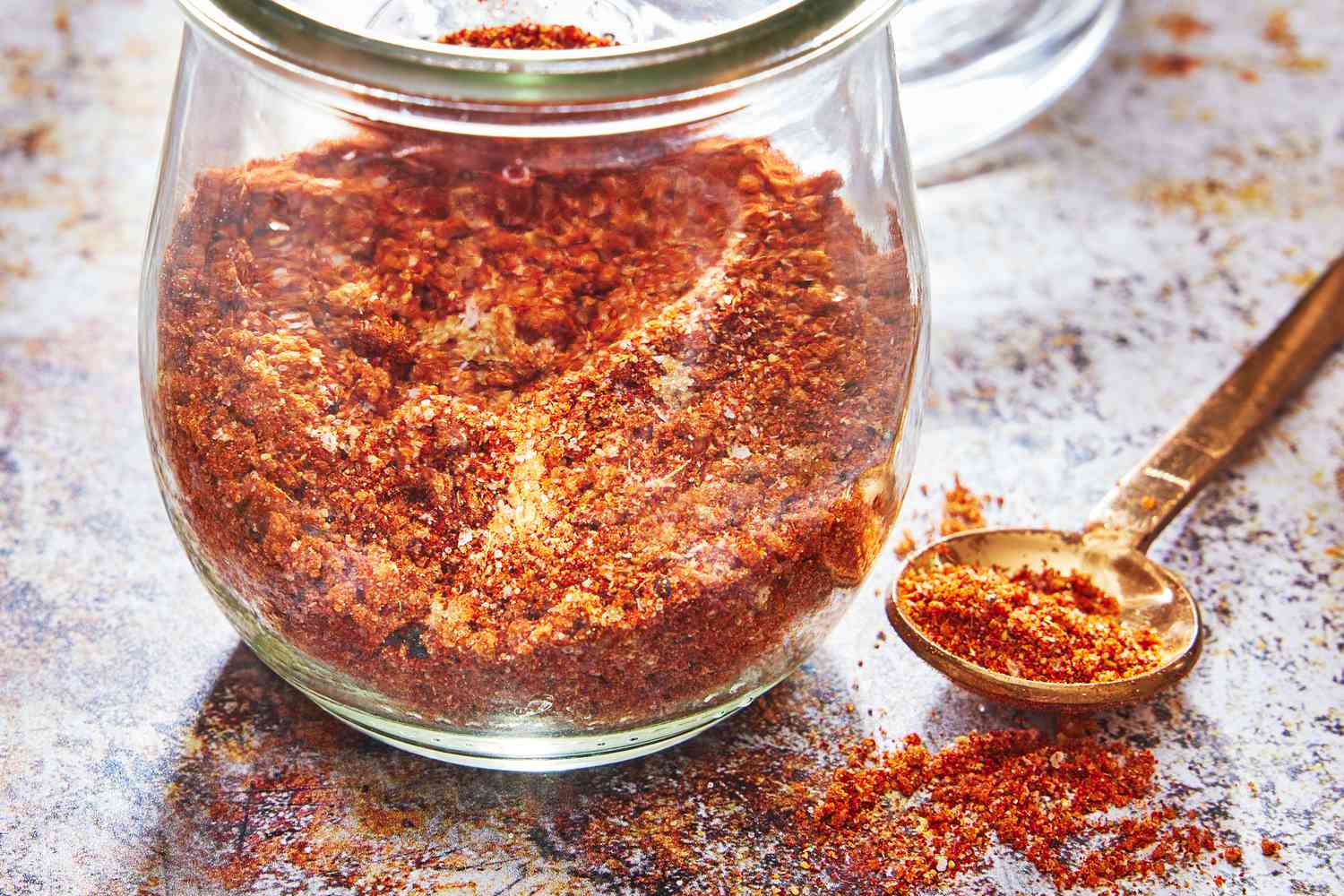
Dry Rib Rub for Oven Baked & Grilled Ribs: No Smoker Needed
Dreaming of tender, flavor-packed ribs but don't own a smoker? You're in luck! Achieving that irresistible, smoky-sweet BBQ perfection is entirely possible in your oven or on your grill with the right Easy Homemade Rib Rub: Sweet, Smoky BBQ Flavor in Minutes. Forget those disappointing, overly salty, or bland store-bought options. This comprehensive guide will walk you through crafting the ultimate homemade dry rib rub spice mix – a secret weapon that guarantees bold BBQ flavor without needing any specialized equipment. Get ready to impress your family and friends with ribs so good, they won't believe they weren't slow-smoked for hours. We understand the quest for the perfect rib rub can feel like an endless journey. Many of us have sifted through countless recipes, only to find them either too complex, lacking in flavor balance, or simply not delivering that authentic BBQ punch. Our goal was simple: create a versatile, easy-to-make dry rib rub that hits all the right notes – smoky, sweet, savory, with just a hint of spice – and is adaptable for any cooking method, especially when a smoker isn't an option. This carefully curated blend is the result of extensive testing, designed to infuse your ribs with deep, complex flavor from the inside out, making sauce entirely optional.The Essential Ingredients for Your Signature Rib Rub Spice Mix
The magic of a great dry rib rub lies in the synergy of its core ingredients. Each component plays a vital role in building layers of flavor that transform ordinary ribs into an extraordinary culinary experience. Here’s a breakdown of the key players in your no-smoker-needed rib rub:Brown Sugar: The Sweet Backbone
At the heart of any exceptional dry rub for ribs is brown sugar. Its warm, caramel notes and subtle molasses flavor are a perfect match for pork, creating a beautiful balance with savory spices. Beyond sweetness, brown sugar works wonders during cooking: it caramelizes on the surface, creating that desirable sticky bark, and helps tenderize the meat by drawing out moisture and then reabsorbing it, locking in juiciness. While some rubs opt for a sugar-free approach (like a simple salt and pepper rub for brisket), for ribs, brown sugar is indispensable. For a deeper, richer flavor profile, dark brown sugar is often preferred over light brown sugar due to its higher molasses content.
Smoked Paprika: Your Secret Weapon for Smokiness
If you're aiming for that quintessential BBQ smoky flavor without a smoker, smoked paprika is your best friend. This vibrant red spice is made from peppers that have been dried and smoked over oak fires, imparting an authentic, woodsy aroma and taste. It’s the "bees-knees" for adding a deep, complex smoky dimension to your oven-baked or grilled ribs. Don't confuse it with regular paprika; the "smoked" designation is crucial for achieving that characteristic BBQ depth. Whether you choose sweet, semi-sweet (agridulce), or hot (picante) smoked paprika, it will be the cornerstone of your rub's smoky character.
Chili Powder: Flavor, Not Just Heat
Despite its name, chili powder isn't primarily for making your ribs fiery hot in this dry rib rub recipe. Instead, it contributes a complex, earthy, and savory depth. Most chili powders are blends of various ground chilies, cumin, oregano, and sometimes garlic powder. This blend helps to balance the sweetness of the brown sugar, adding a robust, foundational flavor that is distinctly "BBQ." It's a crucial component for rounding out the overall taste profile, ensuring your ribs are rich and savory, not just sweet and smoky.
Garlic Powder & Onion Powder: The Aromatic Duo
You simply cannot have a truly great rib rub without the aromatic powerhouses of garlic powder and onion powder. This dynamic duo provides a savory base that enhances all the other flavors. They are intensely aromatic and provide that classic, comforting savory backdrop that defines delicious BBQ. Crucially, using powders rather than fresh garlic or onion ensures a true dry rub consistency and prevents moisture issues that could lead to spoilage or an uneven crust.
Kosher Salt & Black Pepper: The Flavor Enhancers
Last but certainly not least, Kosher salt and freshly ground black pepper are fundamental. Kosher salt, with its larger crystals and clean flavor, is preferred for dry rubs because it distributes evenly and enhances the natural flavor of the pork and all the other spices without imparting a metallic taste. Black pepper adds a subtle heat and a pungent, earthy aroma that provides a pleasant kick, complementing the sweetness and smokiness. For best results, always opt for freshly ground black pepper to maximize its aromatic oils.
Customizing Your Dry Rib Rub for the Perfect Palate
One of the greatest advantages of making your own Mastering Rib Rub: Brown Sugar, Paprika & Spice for Perfect Ribs is the freedom to customize. Every ingredient becomes a knob you can turn to perfectly match your personal preferences. Want more heat? More smokiness? A touch more sweetness? It's all in your hands!
- Make it Spicy: If you crave a genuine kick, consider adding a ½ teaspoon of cayenne pepper or a pinch of red pepper flakes to your mix. Start small and adjust to your heat tolerance. Remember to wash your hands thoroughly after handling potent chili powders!
- Amplify the Smoke: For an even deeper smoky experience, don't hold back on the smoked paprika. You can also introduce 1-2 teaspoons of ground cumin, a spice naturally rich, warm, and subtly smoky, often found in Tex-Mex cuisine.
- Add Herbal Notes: For a more complex, nuanced flavor, experiment with dried herbs like a pinch of thyme or oregano. Be mindful not to overpower the core BBQ flavors.
- Mustard Powder: A spoonful of dry mustard powder can add a tangy, slightly pungent note that brightens the rub and complements pork beautifully.
Applying Your Rib Rub & Cooking Tips for No-Smoker Ribs
Once your ideal dry rib rub spice mix is prepared, the application and cooking technique are key to achieving succulent, flavorful ribs without a smoker.
Preparation is Key:
Before applying the rub, always pat your ribs dry with paper towels. This helps the rub adhere better and creates a crispier bark. Don't forget to remove the silverskin membrane from the back of the ribs; it prevents the rub from penetrating fully and can result in tough, chewy ribs.
Rub Application:
Be generous! Sprinkle the rub evenly over all surfaces of the ribs, then massage it gently into the meat. Don't be afraid to really work it in. For optimal flavor penetration, allow the rubbed ribs to sit in the refrigerator for at least 2-4 hours, or ideally overnight. This process, often referred to as "dry brining," allows the salt to draw out moisture, dissolve, and then be reabsorbed, carrying the flavors deep into the meat.
Oven-Baked Ribs: Low & Slow Perfection
For incredibly tender oven-baked ribs, the secret is low and slow cooking. Preheat your oven to 250-275°F (120-135°C). Place the rubbed ribs on a rack set over a baking sheet (or directly on a foil-lined baking sheet). For extra moisture and tenderness, you can wrap the ribs tightly in aluminum foil for the majority of the cooking time, adding a splash of apple cider vinegar or chicken broth inside the foil. Cook for 2.5 to 4 hours, depending on the thickness of the ribs, until they are very tender (the meat should pull away from the bone easily). For a delicious crust, unwrap them for the last 30 minutes, or finish them under the broiler for a few minutes (watch closely!).
Grilled Ribs: Indirect Heat Mastery
If you're using a grill, indirect heat is essential. Set up your grill for two-zone cooking (coals or burners on one side, ribs on the other, away from direct heat). Maintain a temperature around 275-300°F (135-150°C). Cook the ribs with the lid closed, flipping them every hour or so. You can also wrap them in foil after 1.5-2 hours, adding a little liquid, to finish cooking and ensure tenderness. Total cooking time will range from 2.5 to 4 hours. Finish over direct heat for a few minutes, if desired, to crisp up the bark.
The All-Important Rest:
Once cooked, let your ribs rest for 10-15 minutes before slicing. This allows the juices to redistribute throughout the meat, ensuring every bite is moist and flavorful.
Beyond Ribs: The Versatility of Your Homemade Rib Rub
This fantastic dry rib rub isn't just for ribs! Its balanced blend of smoky, sweet, and savory notes makes it incredibly versatile. Feel free to use it on:
- Pork Chops: A quick dusting before grilling or pan-frying elevates your chops.
- Chicken: Whether roasting a whole chicken, grilling breasts, or baking wings, this rub adds fantastic BBQ flavor.
- Country-Style Ribs: Perfect for slow cooker preparations.
- Pulled Pork: Rub a pork shoulder generously before slow cooking for incredible pulled pork.
- Vegetables: A light sprinkle on sweet potatoes, corn on the cob, or even roasted cauliflower before cooking can be surprisingly delicious.
Conclusion
Crafting your own dry rib rub spice mix is a rewarding experience that puts you in control of the flavors you love. This smoky-sweet blend, designed for oven-baked and grilled ribs, proves that you don't need a fancy smoker to achieve BBQ perfection. With a thoughtful selection of spices like brown sugar, smoked paprika, chili powder, garlic, and onion, you can infuse your ribs with a depth of flavor that is truly irresistible. So, gather your spices, get creative with customization, and prepare to enjoy succulent, tender ribs that will have everyone asking for your secret recipe!
