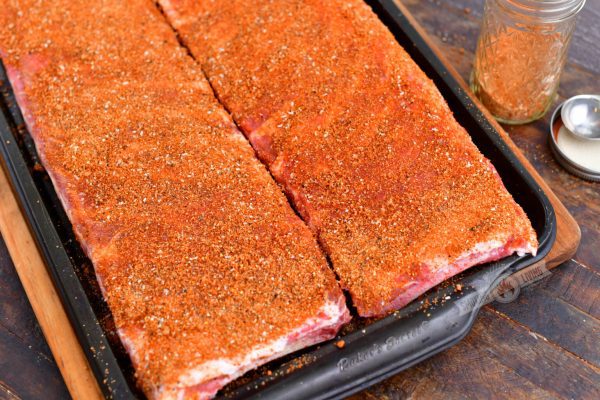
Mastering Rib Rub: The Art of Brown Sugar, Paprika & Spice for Perfect Ribs
There's a universally agreed-upon truth in the world of barbecue: the foundation of truly transcendent ribs lies in a phenomenal rib rub spice mix. Forget the sticky, overly sweet sauces for a moment; it's the dry rub that penetrates the meat, creating a flavor crust that's simultaneously smoky, sweet, savory, and just a little spicy. While countless pre-made options crowd store shelves, many fall short – too salty, too bland, or overwhelmingly fiery. The secret to barbecue bliss often comes down to crafting your own, and it's simpler and more rewarding than you might think.
This article delves into the essential components of a superior rib rub, focusing on the dynamic trio of brown sugar, smoked paprika, and a carefully curated blend of spices. By understanding each ingredient's role, you'll be empowered to create a homemade seasoning that transforms ordinary ribs into an irresistible culinary masterpiece, whether you're grilling, smoking, or baking.
The Quest for the Ultimate Rib Rub Spice Mix
Anyone who's ventured deep into the world of barbecue has likely experienced the trial and error of finding that "perfect" rub. The journey often begins with a hopeful purchase, only to discover a rub that's either so salty it makes your palate pucker, so bland it vanishes into the background, or so overwhelmingly hot it overshadows the delicate flavor of the pork. The frustration is real, but it's precisely why mastering a homemade rib rub spice mix is a game-changer.
The beauty of a DIY approach is the complete control it offers. You dictate the balance, ensuring every note—smoky, savory, sweet, and spicy—hits just right. Our preferred blend zeroes in on a simple yet bold profile, delivering maximum flavor without a lengthy ingredient list or complex techniques. It's designed to bring out the very best in every bite of your ribs, creating a profound depth of flavor that commercially produced rubs often struggle to achieve.
Why Brown Sugar is Your Ribs' Best Friend
When it comes to dry rubs for pork, brown sugar isn't just an ingredient; it's a cornerstone. Its presence is predominant in many successful rib rubs for good reason. The warm, sweet notes of molasses inherent in brown sugar provide an unparalleled depth of flavor, creating a perfect pairing with the rich, savory profile of pork.
Beyond its sweet taste, brown sugar plays a crucial role in the cooking process. As the ribs cook, the sugar caramelizes, forming a beautiful, slightly crispy crust on the exterior of the meat. This caramelization contributes not only to the mouth-watering appearance but also to a complex flavor profile that hints at toasted goodness. It's this interaction that makes brown sugar an indispensable element, delivering both sweetness and an irresistible texture that elevates the entire dish. For those who prefer a less sweet or sugar-free option, a simple salt and pepper blend, often used for brisket, can be adapted, but it will result in a distinctly different flavor profile.
The Magic of Smoked Paprika: Smoke Without Fire
A key characteristic of outstanding barbecue is that signature smoky flavor, and often, achieving it is associated with a smoker or charcoal grill. However, what if you're cooking in an oven or on a gas grill? Enter smoked paprika – the true hero for imparting authentic smoky depth without needing fire. This particular spice is the "bees-knees" for those who want all the smoky vibes, regardless of their cooking method.
Smoked paprika, derived from peppers that have been dried and smoked over oak fires, carries a rich, woodsy flavor profile that instantly transports your palate to a backyard barbecue. It provides a foundational smoky note that complements the sweetness of brown sugar and the savory elements of other spices, making it an absolutely non-negotiable component in any serious rib rub spice mix. Don't skimp on it; it's what gives your ribs that irresistible, slow-cooked character, even when they're baked to perfection.
The Supporting Cast: Essential Spices for a Balanced Flavor Profile
While brown sugar and smoked paprika lay the groundwork, the ensemble of other carefully chosen spices completes the symphony of flavor in our perfect rib rub spice mix. Each plays a specific, vital role in achieving that harmonious balance of sweet, savory, and subtly spicy that defines masterful ribs.
- Garlic Powder & Onion Powder: The Aromatic Duo
You simply cannot create a comprehensive dry rub for ribs without this highly aromatic pair. Garlic powder and onion powder are the unsung heroes that subtly round out the savory side of the rub. They provide an earthy, pungent base that enhances the natural flavors of the pork and acts as a bridge between the sweet and smoky elements. Their presence ensures a deep, well-developed savory backbone that makes every bite incredibly satisfying. - Chili Powder: Flavor, Not Just Heat
Often misunderstood, chili powder in this context isn't primarily for setting off smoke alarms. Instead, it's included for its complex flavor contributions. Chili powder is inherently savory, earthy, and can even have a slightly bitter undertone, which is crucial for balancing the sweetness of the brown sugar. It adds depth and a subtle warmth that complements the overall BBQ profile without overwhelming the palate with excessive heat. - Kosher Salt: The Ultimate Flavor Enhancer
Salt is perhaps the most fundamental seasoning, and Kosher salt, with its clean, less harsh flavor, is the ideal choice for a rib rub. It doesn't just make the ribs taste "salty"; it intelligently enhances and amplifies the flavors of the pork and every other spice in the mix. Without sufficient salt, even the best blend of spices would fall flat. - Black Pepper: The Subtle Kick
Finally, black pepper delivers that essential 'bite' and subtle heat. It adds a fresh, sharp counterpoint to the richness of the pork and the sweetness of the sugar, contributing to the overall complexity and liveliness of the rib rub.
Crafting Your Signature Rib Rub: Customization and Tips
One of the greatest advantages of making your own rib rub spice mix is the unparalleled freedom to customize it to your exact taste. Think of this foundational recipe as a starting point—a canvas upon which you can paint your unique flavor preferences. Here are some actionable tips for tailoring your rub and ensuring the best results:
- Make It Spicier: If you're a fan of a fiery kick, adding cayenne pepper is the way to go. Start with a quarter teaspoon and increase up to a half teaspoon (or more, if you dare!) to introduce a real punch of heat. Always remember to wash your hands thoroughly after applying a rub containing cayenne.
- Boost the Smoke Factor: For an even more profound smoky flavor, don't hold back on the smoked paprika. You can also introduce ground cumin, a spice revered for its rich, warm, and naturally smoky notes. Cumin is a staple in many Tex-Mex recipes for its ability to add significant depth. One to two teaspoons of ground cumin can dramatically enhance the smoky character of your dry rub.
- Storage and Shelf Life: Once blended, store your homemade rib rub in an airtight container in a cool, dark place. Spices lose their potency over time, so while it will remain safe to consume for months, for optimal flavor, try to use it within 3-6 months.
- Beyond Ribs: Versatility is Key: While this rub is meticulously crafted for perfect ribs, its balanced flavor profile makes it incredibly versatile. Don't hesitate to use it on other cuts of pork, such as pork chops or country-style ribs, and even chicken. It instantly infuses a bold BBQ flavor into almost any protein. For a detailed guide on how to make a foundational version of this blend, check out our article on Easy Homemade Rib Rub: Sweet, Smoky BBQ Flavor in Minutes.
Application and Cooking Methods
Applying your carefully crafted rib rub spice mix is a straightforward but important step. Ensure your ribs are patted dry before generously coating them on all sides with the rub. Gently massage the rub into the meat, ensuring an even layer that adheres well. For best results, let the seasoned ribs rest in the refrigerator for at least an hour, or ideally, several hours (even overnight), to allow the flavors to penetrate the meat deeply.
The beauty of this particular rib rub is its adaptability to various cooking methods. Whether you prefer the slow heat of your oven, the char of a grill, or the tender results from a slow cooker, this spice blend will deliver. It's specifically formulated to infuse that coveted BBQ flavor into your ribs, making a smoker an optional luxury rather than a necessity. Learn more about how this versatile seasoning works across different cooking techniques in our article, Dry Rib Rub for Oven Baked & Grilled Ribs: No Smoker Needed.
Mastering a homemade rib rub is a cornerstone of great barbecue. By understanding the roles of brown sugar, smoked paprika, and the supporting cast of essential spices, you can consistently produce ribs that are perfectly balanced, incredibly flavorful, and utterly irresistible. Ditch the mediocre store-bought options and embrace the satisfaction of crafting your own signature rib rub spice mix. Your taste buds—and your guests—will thank you.
